Heated Driveways in Ontario: How Snow Melt Systems Work and What They Cost
Written by the Northland Home Comfort team — TSSA-registered heating, cooling and hydronics contractor (FS-R-50021) serving Simcoe County and Muskoka. Updated October 2026.
Short answer: A hydronic snow melt system in Ontario costs about $25 to $45 per square foot installed in 2026, including tubing in the slab, the glycol loop, controls and the boiler capacity to run it. A typical two-car driveway apron and front walk (400 to 600 sq ft) runs $15,000 to $30,000. Steps and an entry pad alone can be $6,000 to $12,000. The system runs only when a slab sensor detects moisture and freezing temperatures, so it idles most of the winter.
How a snow melt system works
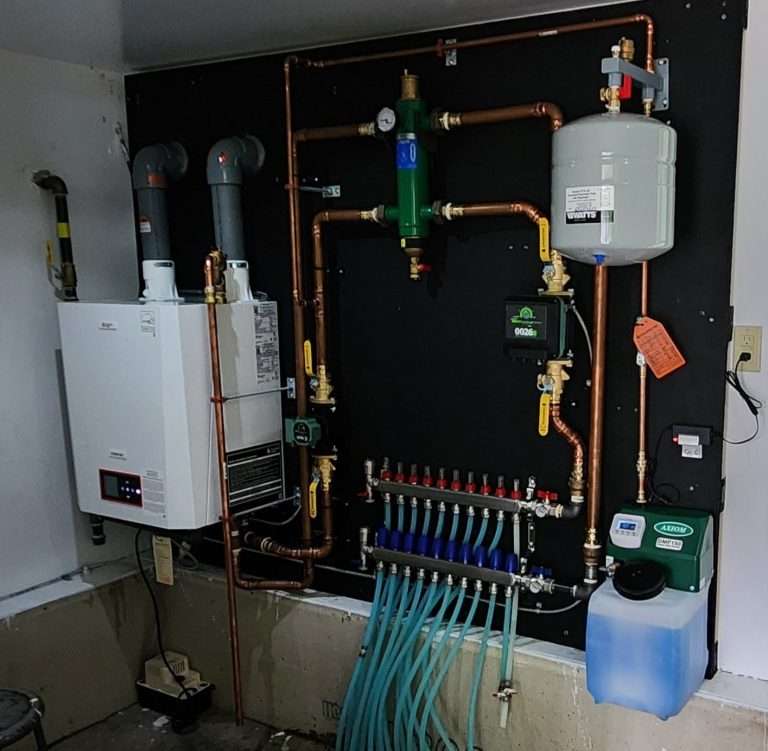
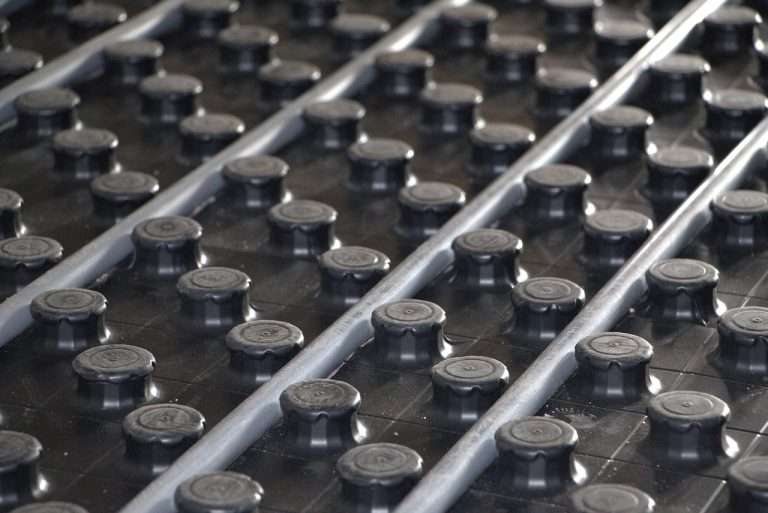
PEX tubing is embedded in the concrete or under pavers, spaced 6 to 9 inches apart. A boiler heats a glycol mixture (so it cannot freeze) and pumps it through the loops. A sensor in the slab watches for moisture and temperature; when it snows or ices, the system brings the slab to just above freezing and holds it there until the surface is dry. Then it shuts off. There is no shovelling, no salt, no ice on the steps at 6 a.m.
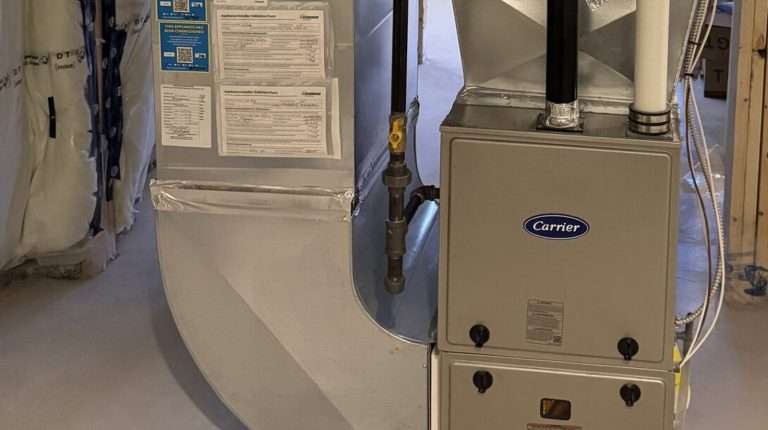
On a home with radiant floor heating, snow melt runs off the same boiler through a heat exchanger and its own loop. On a home without, a dedicated boiler or a large water heater is installed for it.
What it costs (installed, Ontario 2026)
| Area | Typical size | Installed cost |
|---|---|---|
| Front steps and entry landing | 60 – 120 sq ft | $6,000 – $12,000 |
| Walkway, garage apron | 150 – 300 sq ft | $9,000 – $18,000 |
| Two-car driveway apron and walk | 400 – 600 sq ft | $15,000 – $30,000 |
| Full driveway, steep or long | 1,000 – 2,000 sq ft | $35,000 – $80,000+ |
The per-square-foot cost drops as the area grows, because the boiler, pumps, controls and sensor are fixed costs. Tire-track-only layouts (two heated strips instead of the whole width) cut the driveway cost by roughly half.
What it costs to run
Snow melt uses a lot of energy while it runs and nothing while it idles. A system sized at 150 BTU per square foot per hour, running 80 to 120 hours over a Muskoka winter, uses roughly the energy of heating a mid-size house for a month. On propane that is a few hundred dollars a season for an entry and walk, more for a full driveway. Idling the slab at a low temperature so it responds faster costs more; most owners run “on demand” only.
When it makes sense
- Steep or long driveways where a plow cannot keep up and ice is a safety issue.
- Entries, steps and walkways at homes with older residents or where a slip is a liability.
- Cottages and homes that sit empty for stretches and need to be reachable on arrival.
- Any new build that already has a boiler for in-floor heating: the marginal cost is the tubing and a loop.
What to decide before the pour
- The area, and whether it is full width or tire tracks.
- Slab insulation and drainage so melt water does not refreeze at the edge.
- Where the sensor goes (an exposed spot that sees weather first).
- Boiler sizing, which has to cover the snow melt load plus the house if they share.
- Controls: an on-demand sensor, a manual override and, increasingly, an app.
Things that go wrong on cheap systems
Tubing laid without insulation below it, so half the heat goes into the ground. Loops that were never pressure-tested before the pour. No glycol, so the system freezes the first time the power goes out. Boilers sized for the house that cannot also carry the driveway. We design the loop layout, pressure-test and document every loop before concrete, and size the boiler for both loads.
Frequently asked questions
About $25 to $45 per square foot installed. A two-car apron and walkway typically costs $15,000 to $30,000; steps and an entry $6,000 to $12,000. Tire-track layouts cost less than full-width systems.
They use energy only while it is snowing or icing, typically 80 to 120 hours a winter in Simcoe County and Muskoka. Operating cost for a walkway and entry is usually a few hundred dollars a season; full driveways cost more. On-demand control keeps the cost down.
Only by replacing the slab or pavers; the tubing has to be in or directly under the surface. It is best planned with a new driveway, a rebuild or a new home.
Hydronic (boiler and glycol) is cheaper to run and the standard for driveways and larger areas. Electric mats suit small steps or a single landing where a boiler is not practical.
Annual boiler service and a glycol check every year or two. The tubing in the slab is maintenance-free.
Thinking about snow melt for a new driveway, entry or custom build? We will design the loop layout, size the boiler and give you a fixed price.