How to Winterize a Cottage Heating System: A Muskoka Checklist
Written by the Northland Home Comfort team — TSSA-registered heating, cooling and hydronics contractor (FS-R-50021) serving Simcoe County and Muskoka. Updated October 2026.
Short answer: There are two ways to winterize a cottage: shut it down completely (heat off, plumbing drained by your plumber, antifreeze in the traps) or hold it at a low setpoint, usually 8 to 12°C, with the heating system serviced, a monitored thermostat, and a plan for power outages and propane deliveries. Around Muskoka and Georgian Bay we see more cottages held at low heat every year because it protects finishes, prevents frozen lines and makes the place usable in winter. Either way, the work has to be done before the first hard freeze, which here means by late October.
Decide: shut down or hold at low heat
| Shut down | Hold at 8–12°C | |
|---|---|---|
| Heating | Off; furnace/boiler serviced before spring | On; serviced in the fall, monitored all winter |
| Plumbing | Drained by a plumber; antifreeze in traps and toilets | Stays live; cabinets open under sinks on exterior walls |
| Risk | None from freezing, if fully drained | Power outage or fuel run-out |
| Cost | Lowest | Fuel for the winter, usually a few hundred to a couple of thousand dollars |
| Use | Not until spring | Weekends, holidays, anytime |
If you hold the cottage at low heat
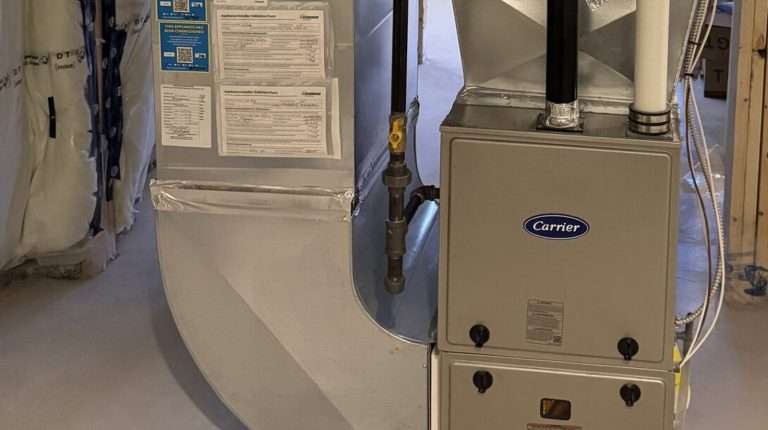
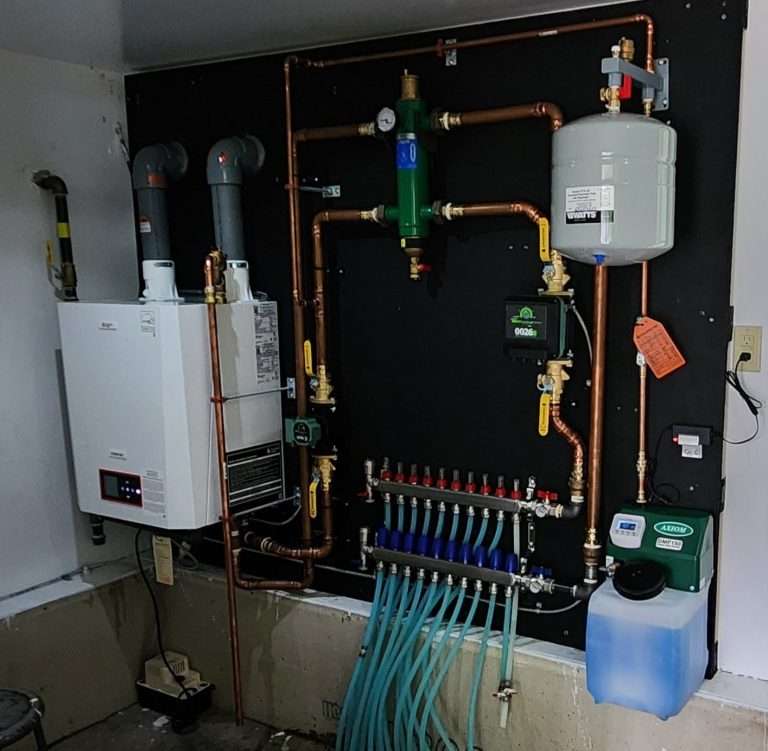
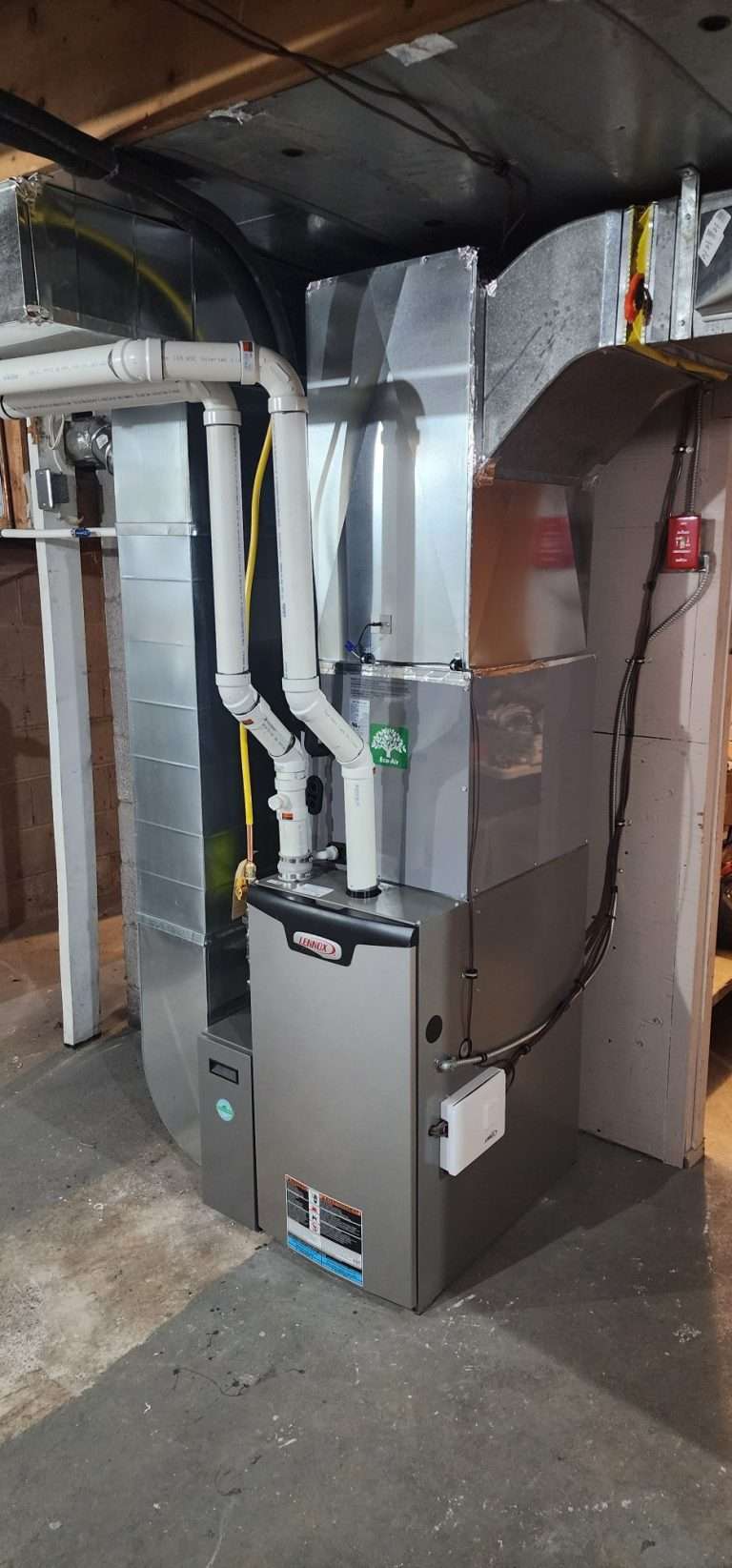
- Fall service on the furnace, boiler or heat pump: filter, burner, flame sensor, condensate, venting, combustion check. A failure in February with nobody there is the scenario to avoid.
- Monitored thermostat. A Wi-Fi thermostat with low-temperature and power-loss alerts to your phone. Set it to 8 to 12°C. Add a separate freeze alarm if cell or internet service is unreliable.
- Propane: top the tank in the fall, set up automatic delivery, and keep the driveway and tank clear for the truck. Running out of propane in January is the most common no-heat call we get from cottages.
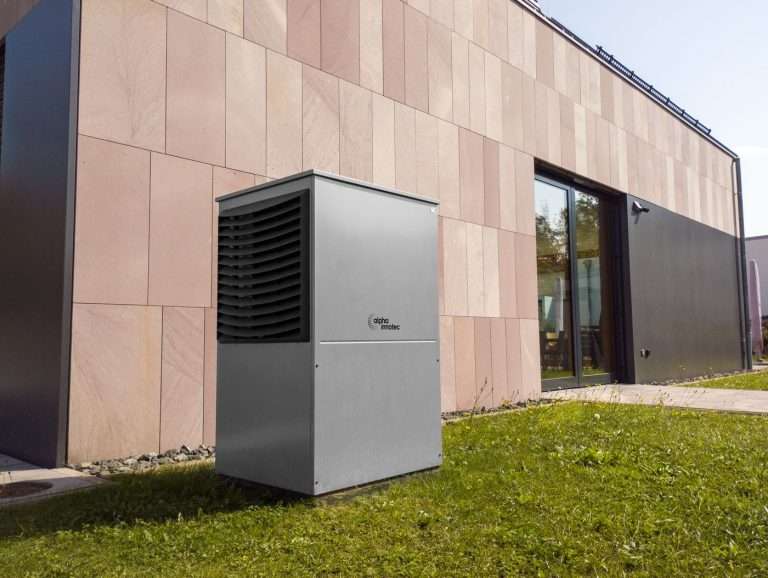
- Heat pump: keep the outdoor unit clear of snow and off the ground; set the backup heat so the house holds temperature below the switchover point.
- HRV: leave it on low or set a dehumidistat; a closed-up cottage with no ventilation gets damp.
- Power outages: a standby generator or at least a plan. Gas and propane furnaces still need electricity to run.
- Carbon monoxide and smoke detectors: new batteries, test them, and make sure a CO alarm is near the sleeping area and the mechanical room.
- Someone who can check. A neighbour, property manager or us, with a key and the thermostat alert.
If you shut it down
- Have the plumbing drained and the traps protected by a plumber.
- Turn off the furnace or boiler at the switch and the gas or propane valve; leave the pilot off on older equipment.
- Close the propane tank valve if the supplier recommends it; otherwise leave the system as the supplier specifies.
- Clear the heat pump of leaves and debris; do not wrap it.
- Book spring start-up before the May long weekend rush.
Common cottage heating problems we see in winter
- Furnaces that sat all summer, lit in October, and short-cycle on a dirty flame sensor. See furnace short cycling.
- Heat pumps buried in roof slide-off or drift, iced solid.
- Condensate lines frozen in unheated crawlspaces.
- Propane regulators iced over because the tank is at the bottom of a hill where cold air pools.
- Electric baseboard holding the place at 15°C and costing more than a heat pump would have.
Upgrades that make winterizing easier
A cold-climate heat pump with electric backup and a Wi-Fi thermostat turns a cottage into a low-maintenance four-season property. A properly designed propane system with automatic delivery and a generator transfer switch takes the worry out of the deep cold. See year-round cottage heating and do heat pumps work at -25°C.
Frequently asked questions
8 to 12°C if the plumbing stays live. Below that, pipes on exterior walls are at risk in a cold snap; above 12°C you are paying to heat an empty building.
Yes. With the plumbing drained there is nothing to protect, so turn the furnace off at the switch and close the gas or propane valve. Have it serviced before you start it up in spring.
A Wi-Fi thermostat with low-temperature and power-loss alerts, plus a cellular freeze alarm as a backup where internet is unreliable. We set these up with every cottage system we install.
A cold-climate model sized for the cottage, with electric or propane backup, will hold a low setpoint through a Muskoka winter. The outdoor unit must be mounted above snow level and kept clear.
Before the first hard freeze, which in Muskoka and north Simcoe County usually means by late October. Fall service should be booked in September or early October.
We service cottage heating systems across Muskoka, Severn and Georgian Bay. Book fall service or ask about a monitored low-heat setup.