Year-Round Cottage Heating: What to Plan
Year-round cottage heating starts with a coordinated plan for the building, heating equipment, hot water and ventilation.
Define your cottage heating needs before choosing equipment
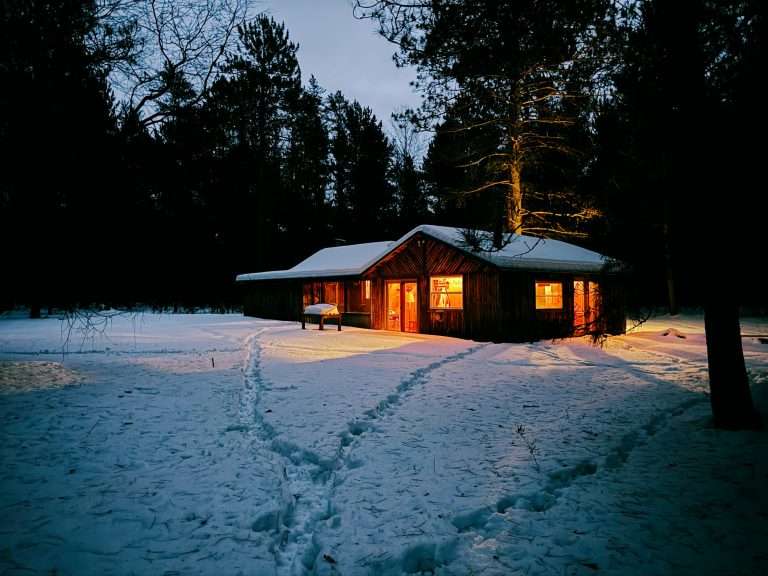
First, explain how many people will live at the property, when you will use it and which renovations you plan. Heating decisions should account for the finished home, including insulation and air-sealing work.
Review the existing system
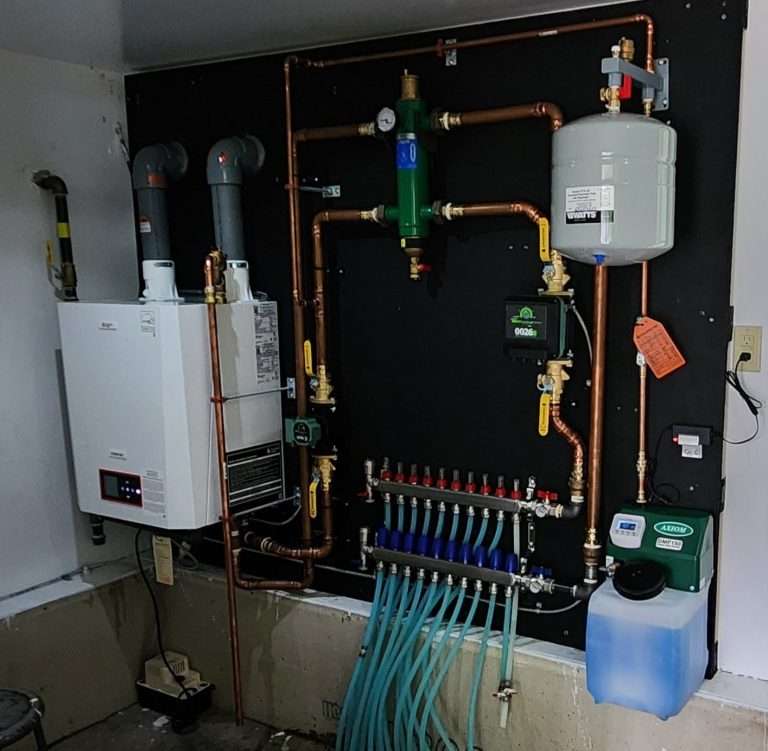
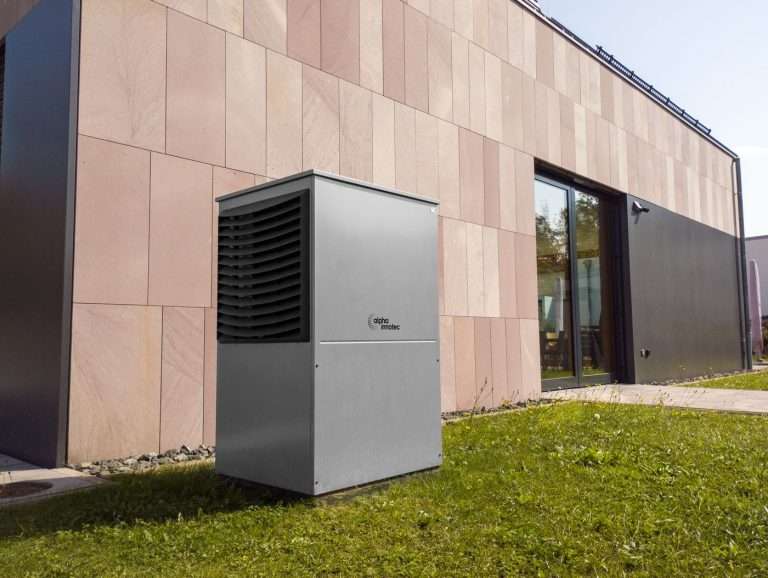
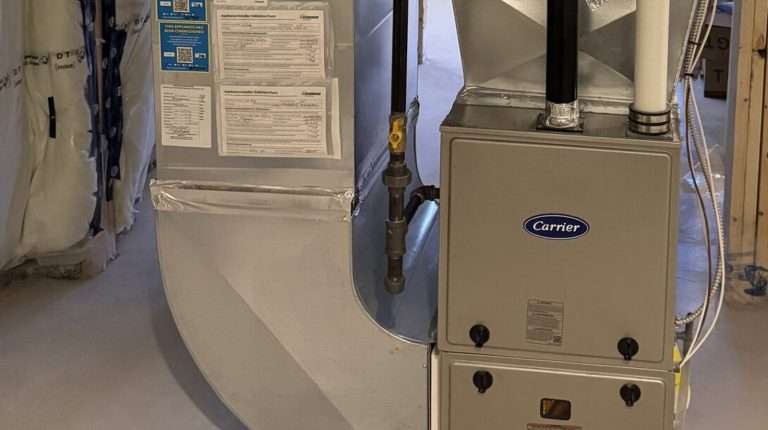
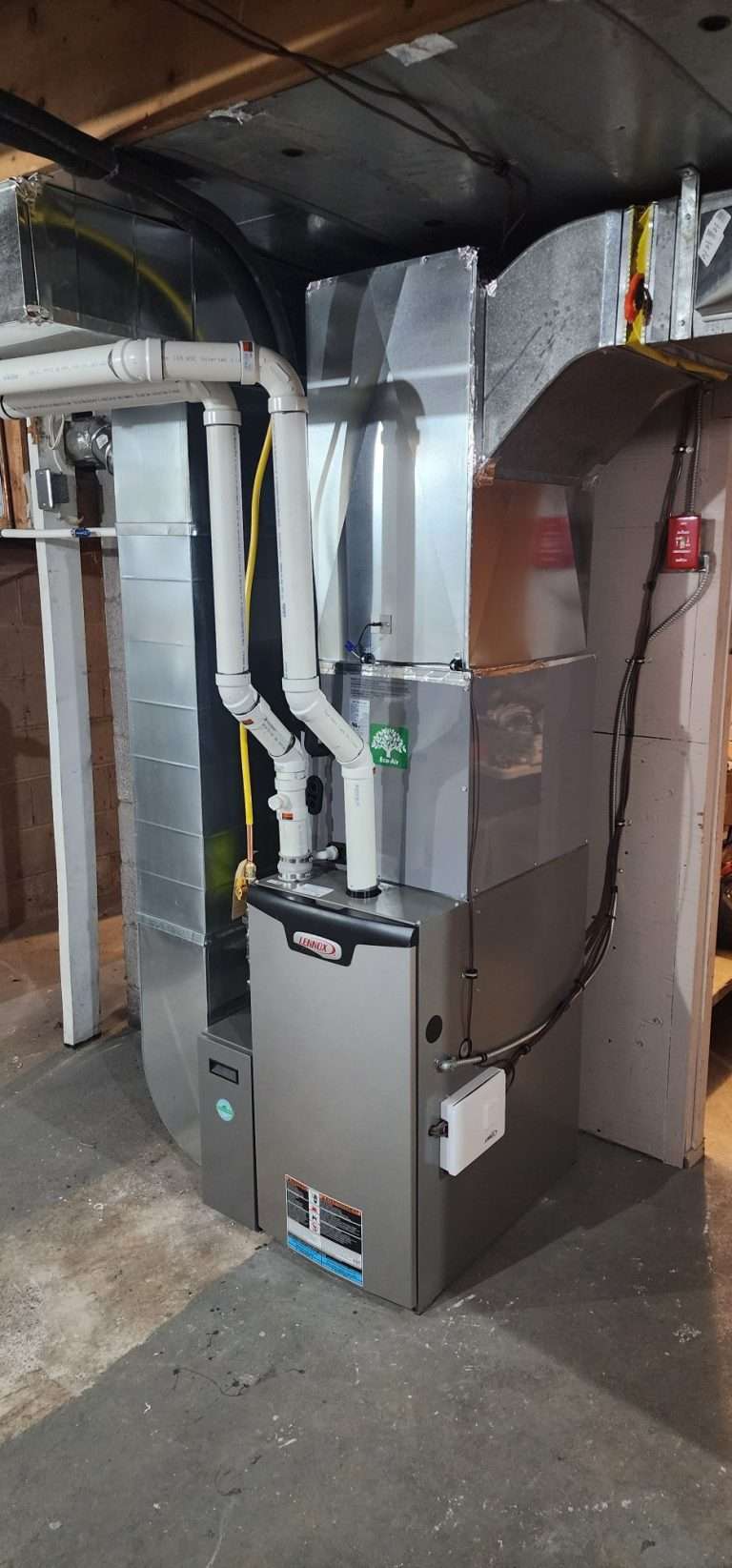
Document current fuel, equipment, ducts, controls and hot-water use. Identify uncomfortable rooms and areas you plan to add or repurpose. Your installer should consider these details before preparing an installation quote.
Coordinate ventilation and moisture control
Discuss ventilation alongside insulation and air sealing. The appropriate system and any required approvals depend on the building and project scope. Confirm responsibilities with your renovation team instead of assuming one standard solution fits every conversion.
Plan hot water for the new routine
Year-round occupancy may change shower, laundry and simultaneous hot-water demand. Compare tank water heaters and tankless options alongside the heating work.
Agree on an outage and access plan
Also, discuss low-temperature alerts, leak monitoring and what happens if you lose power or internet. Confirm which selected equipment can operate during an outage. Do not assume a gas fireplace will provide backup heat without checking the model and installation.
Put your cottage heating scope in writing
Ask the quote to identify equipment, controls, related work, commissioning and agreed safeguards. Coordinate winter access and installation scheduling. Review current rebate requirements before approving eligible work.
Northland can assess the heating and hot-water work for your Gravenhurst or Bracebridge property and explain suitable options.
Reviewed September 2026. Equipment, program eligibility and project requirements need confirmation before you approve work.